Where should heat exchangers be serviced: when is on-site cleaning sufficient, and when is a workshop environment required?
Maintenance of heat exchangers is essential to ensure that equipment operates safely and efficiently in the long term. In an industrial environment, a rapid response is particularly important, as every hour of downtime can result in a loss of production. But where does the maintenance process actually take place, and what options are available to customers?
On-site maintenance as the fastest and most common solution
In most cases, maintenance of heat exchangers can be carried out directly on site, which significantly reduces downtime and transport costs. All that is required to carry out the work is a suitable water and electricity supply.
Our specialists arrive on site with the necessary tools and equipment, where they carry out the dismantling, cleaning, condition assessment and reassembly of the heat exchanger. If required, the maintenance is concluded with a pressure test, the results of which are recorded in an on-site report. On-site maintenance is the ideal choice when the aim is rapid intervention and minimising production downtime.
In the case of on-site maintenance, the process is fully adapted to the specific equipment and environment. The technicians take into account the plant's operation, the accessibility of the unit and any safety requirements, to ensure that the work is carried out quickly and without accidents.
One of the key requirements for successful maintenance is proper preparation. This involves safely shutting down the system, disconnecting the heat exchanger from the process, and completely draining it. These operations are typically carried out by the client, as they are most familiar with the operation of the system in question, its specific characteristics and any potential risks. Proper preparation not only facilitates safe working practices but also significantly speeds up maintenance work.
Maintenance at our workshop – where circumstances warrant it
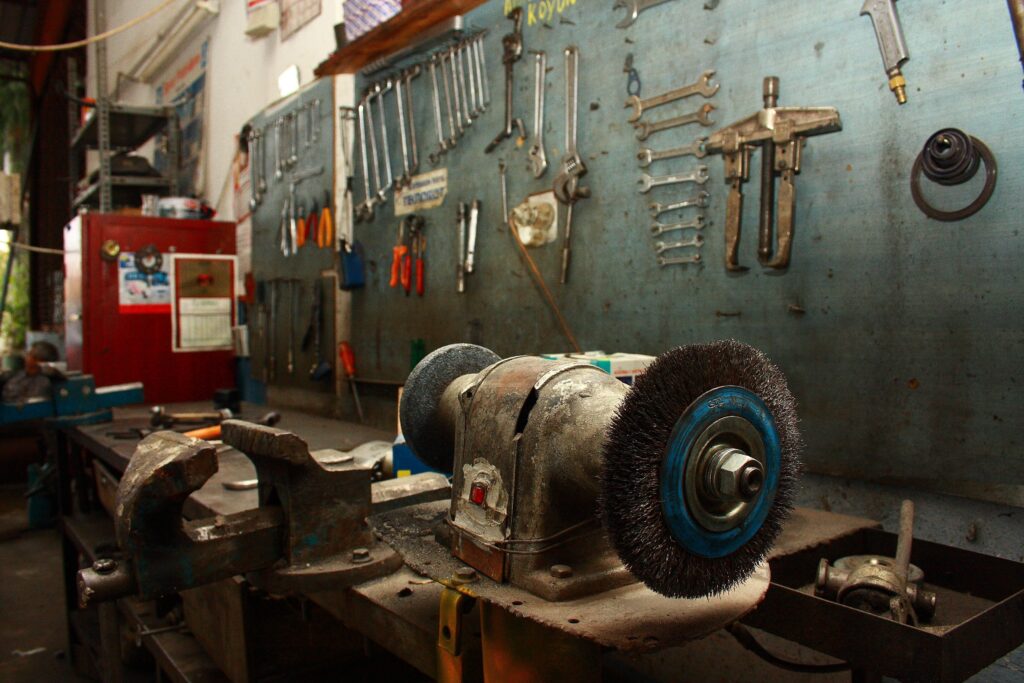
In certain cases, on-site conditions do not allow maintenance work to be carried out efficiently and safely. If there is insufficient space to clean, acid-wash or refurbish the heat exchanger, it is advisable to remove the unit from the from Dunaújváros to our workshop, where all the necessary tools and facilities are available to carry out the work professionally.
In what circumstances is workshop maintenance recommended?
- if it requires a special cleaning process, e.g. prolonged soaking in chemicals, acid treatment
- if a more extensive and thorough assessment is required,
- or if the on-site environment is not suitable for working safely,
- Production is significantly disrupted by maintenance work.
The client may deliver the equipment to our workshop in Dunaújváros themselves; however, if required, we can also take care of the entire process. Our specialists will remove the heat exchanger, transport it, and, following maintenance, reinstall and commission it, thereby providing our customers with a fast, convenient and comprehensive service.
Maintenance in the workshop offers several advantages that can make work more efficient and thorough. In such an environment, it is possible to use specialized equipment and technologies that are not available on-site, or only to a limited extent. Heat exchanger components can also undergo more detailed inspection, including precise assessments of the condition of plates, tubes, and gaskets.
In addition, the workshop also provides the facilities to carry out any necessary repairs and component replacements quickly and professionally. If any worn or damaged parts are discovered during maintenance, the process of replacing or sourcing them can begin immediately. At the end of the process, testing of the equipment – such as pressure testing – is also carried out under workshop conditions.
All things considered
On-site maintenance is ideal in all cases where rapid maintenance is required and no special procedures are needed. Maintenance carried out in the workshop, on the other hand, is the right choice when the aim is not only rapid fault rectification but also a comprehensive inspection, cleaning and refurbishment of the equipment.